
Influence of the Chinese Economic Model
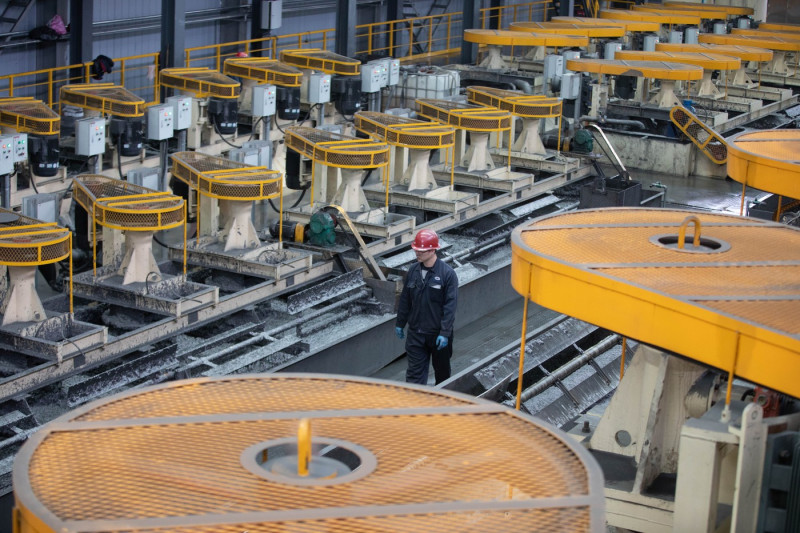
The Chinese economic model, founded on a blend of centralized planning and free-market elements, has had a profound impact on the nation’s economic development over the past decades. The rapid GDP growth and the transformation of China into a global economic powerhouse are largely credited to this hybrid approach. Through massive investments in infrastructure and industrialization, China has managed to alleviate poverty and generate millions of jobs. However, this model has also resulted in significant economic inequalities, with major discrepancies between regions and between urban and rural areas. Additionally, excessive reliance on exports and government investments has led to the accumulation of enormous debts, putting pressure on the financial system. Furthermore, aggressive trade practices and policies subsidizing key industries have generated trade tensions with other countries, particularly the United States, affecting international relations and global market stability. Despite these challenges, the Chinese economic model continues to shape the economic strategies of other nations, especially in the context of globalization and increasing economic interdependencies.
Economic Policies under Xi’s Leadership
Under Xi Jinping’s leadership, China’s economic policies have undergone significant changes aimed at strengthening state control over the economy and reducing dependence on external markets. Xi has advocated for a series of reforms designed to bolster the role of state-owned enterprises while diminishing the influence of the private sector, considering them essential for maintaining economic and social stability. This direction has resulted in a range of measures that have impacted the business environment, including stricter regulations in key sectors such as technology, education, and real estate.
Simultaneously, Xi has placed a strong emphasis on technological development and innovation, launching initiatives such as „Made in China 2025,” aimed at transforming China into a global leader in cutting-edge fields like artificial intelligence and biotechnology. However, these policies have attracted international criticism, being viewed as a threat to global trade balance and competition norms.
Additionally, Xi has promoted the concept of the „dual circulation,” encouraging economic growth by stimulating domestic consumption and reducing vulnerability to external fluctuations. In this context, the government has implemented policies to support household incomes and enhance social safety nets, to boost citizens’ purchasing power and foster a more balanced economy.
Despite these efforts, the economic policies under Xi’s leadership have also generated uncertainties. Foreign investors and domestic entrepreneurs are concerned about regulatory unpredictability and intensified state control, which can deter investments and innovation. Moreover, trade tensions with other countries, particularly the United States, have further complicated the situation.
Long-term Consequences of Government Interventions
Long-term government intervention policies in the Chinese economy have resulted in a series of complex consequences, affecting both internal stability and China’s global standing. Firstly, the emphasis on centralized control and state-owned enterprises has led to a stagnation in private sector innovation, consequently limiting long-term economic growth potential. This approach has created a business environment where resources are allocated to low-yield projects, at the expense of innovative initiatives that could enhance competitiveness and efficiency.
On the other hand, government intervention policies have exacerbated reliance on public investments, leading to unsustainable debt growth. In an attempt to maintain a high economic growth rate, the government continued to support massive infrastructure projects and allocate substantial funds for state-owned enterprises without adequately assessing the profitability of these investments. This practice has resulted in the accumulation of enormous debts, putting pressure on the country’s financial stability and increasing the risk of future economic crises.
The long-term impact of these policies is also felt socially, through increasing economic inequalities and tensions among different regions of the country. While some urban areas have benefitted from investments and economic development, many rural regions have lagged behind, with limited access to resources and development opportunities. This regional discrepancy has generated social discontent and heightened pressure on the government to implement reforms that ensure a more equitable distribution of resources.
Furthermore, interventionist policies have negatively impacted the environment, contributing to ecological degradation and
Strategies for Economic Adaptation and Resilience
to address current economic challenges, China has begun to implement strategies aimed at enhancing adaptability and economic resilience. A crucial aspect of these strategies is the diversification of the economy through the development of new and emerging sectors, reducing dependence on traditional industries and exports. Thus, the government encourages investments in areas such as green energy, advanced technologies, and digital services, which have the potential to foster sustainable economic growth.
Another essential strategy is to intensify efforts to integrate the Chinese economy into global supply chains by improving logistical infrastructure and promoting more open and transparent trade policies. This initiative aims to strengthen China’s position as a central node in international trade and attract foreign direct investment, which will contribute to economic development and job creation.
At the same time, the Chinese government focuses on improving the efficiency and competitiveness of state-owned enterprises through the implementation of structural reforms aimed at reducing bureaucracy and encouraging innovation. These measures are intended to create a more dynamic and business-friendly environment that allows Chinese companies to compete successfully in international markets.
Education and vocational training are also key priorities in China’s economic adaptation strategy. Investments in education and technical training are vital for developing a skilled workforce capable of meeting the demands of a modern economy and contributing to innovation and productivity. By promoting advanced educational programs and partnerships,
Sursa articol / foto: https://news.google.com/home?hl=ro&gl=RO&ceid=RO%3Aro