
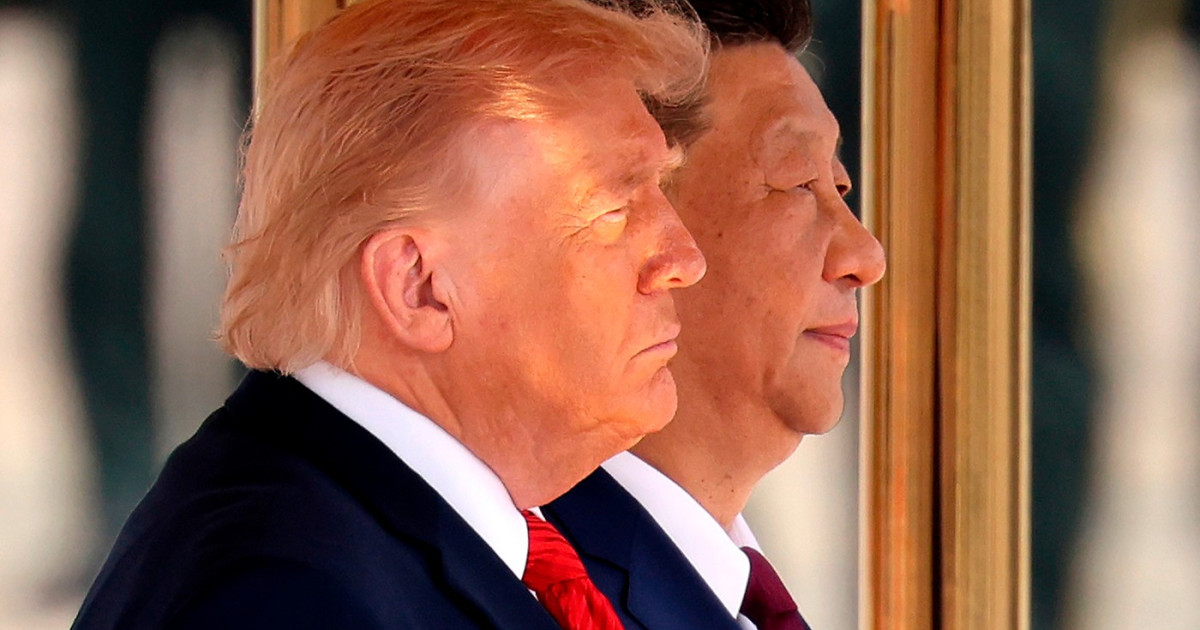
Influence of the summit on US-China relations
The meeting between Donald Trump and Xi Jinping significantly impacted the relationship between the United States and China, marking a critical point in the diplomatic and economic dynamics between the two superpowers. Following the meeting, notable changes were observed in the tone and approach of bilateral dialogue. First and foremost, there was a highlighted willingness for greater economic cooperation, focusing on reducing the trade tensions that had previously dominated the relationship between the two nations. This openness manifested through promises to lower tariffs and commitments to increase imports of American goods by China, which could help alleviate the US trade deficit.
In addition to economic aspects, the summit also had important political implications. The dialogue between the two leaders emphasized the need for closer cooperation on global issues, such as climate change and international security. Additionally, they discussed the necessity for better management of territorial disputes in the South China Sea and other sensitive areas, which could lead to increased regional stability.
In the context where US-China relations have often been characterized by tensions and distrust, the summit represented an opportunity to build a more constructive dialogue and establish a framework for long-term cooperation. However, many challenges remain to be overcome, and the success of these initiatives will depend on the real commitments and practical implementation of what was discussed at the summit.
Concessions and gains achieved by Trump
During the summit with Xi Jinping, Donald Trump managed to secure certain concessions that were presented as significant victories on the international stage. One of the main gains was the commitment from China to increase imports of American products, particularly in sectors like agriculture and energy. This was seen as an important step towards reducing the trade deficit between the two nations, a major objective for the Trump administration.
Furthermore, China promised to take measures for better protection of intellectual property, a long-standing point of contention between the two countries. These commitments include greater transparency and a stricter legal framework to combat technology theft and unfair trade practices.
Politically, Trump established a more open dialogue with the Chinese leader, which facilitated discussions on sensitive topics such as the situation on the Korean Peninsula. They discussed maintaining pressure on North Korea to continue the denuclearization process, with China traditionally playing a crucial role in influencing the regime in Pyongyang.
However, the concessions made by Trump did not come without criticism. Some analysts pointed out that, in exchange for these economic gains, Trump may have eased pressure on China regarding human rights and its controversial domestic policies. Additionally, there were concerns that the promises made by China might not be fully implemented, given its previous track record of failing to fulfill similar commitments.
Expert analysis by Cristian Diaconescu
Christian Diaconescu’s analysis of the summit between Donald Trump and Xi Jinping highlights the complexity of the negotiations and their implications on the international geopolitical scene. Diaconescu emphasizes that the meeting was a test of political will and diplomatic skill for both leaders, given the pre-existing tensions between the United States and China. The expert noted that while significant progress was made towards economic cooperation, many unresolved issues remain that require ongoing attention and future compromises.
Diaconescu highlighted that an important aspect of the summit was both parties’ commitment to addressing trade issues in a more transparent and fair manner. However, he warns that the implementation of these commitments will be key to long-term success, and the absence of an effective monitoring mechanism could undermine the efforts made. Additionally, Diaconescu pointed out that dialogue on international security issues, including crisis management, was a positive step, but it necessitates closer coordination between Washington and Beijing to have a lasting impact.
Regarding the concessions made by Trump, Diaconescu offered a balanced perspective, recognizing the immediate economic benefits while drawing attention to long-term implications. He emphasized that while increasing Chinese imports of American products might help the US economy, it is essential for these promises to be fulfilled to avoid creating new tensions. Diaconescu also discussed the necessity for the United States to continue promoting democratic values and human rights in its dialogue with China, regardless of economic gains achieved.
In conclusion, Cristian Diaconescu believes that the summit was an important step in US-China relations, but he stresses that the true test will
Future perspectives of international relations
be how these commitments will be implemented and whether they will lead to a more stable and predictable relationship between the two superpowers. Future perspectives of international relations largely depend on the leaders’ ability to maintain an open dialogue and find common solutions to global challenges. In an increasingly interconnected world, cooperation between the United States and China is essential for global economic and political stability.
In the future, both countries are likely to continue seeking ways to harmonize their economic and security interests, despite ideological and political differences. Issues related to trade, emerging technologies, climate change, and cybersecurity will remain at the center of bilateral discussions. Additionally, China’s role in international organizations and its influence over other states in the Asia-Pacific region will be critical aspects in shaping future international relations.
Another influencing factor will be how both nations address issues related to human rights and democracy. Although these topics are often sensitive, they cannot be ignored in the long term, and a balanced approach could contribute to a fairer and more just international climate.
In conclusion, while the summit marked a positive step, the future of international relations will depend on the ongoing commitments of both parties to work together to overcome common challenges and promote peace and prosperity globally. It is essential for the dialogue to continue, and for leaders to remain flexible and open to compromises to ensure a better future for both nations and for the international community as a whole.
Sursa articol / foto: https://news.google.com/home?hl=ro&gl=RO&ceid=RO%3Aro